Tuesday, February 20, 2018

The Most Epic Moving Checklist in the History of Moving

The Most Epic Moving Checklist in the History of Moving

Let’s face it, moving is stressful. That’s why we’ve created an epic moving checklist to help you stay on track. We’re here to help you figure out exactly what you should be doing before, during, and even after your move. Moving all your belongings from one place to another is hard, and so is relocating your life in general. But, let’s not forget that moving to a new place is an exciting time! With some guidance and this 8-week guide to your upcoming move, you’ll be sure to have everything done between now and the big day, leaving you plenty of time to celebrate.

8 weeks before you move:

So, you’re 8 weeks out! Close, but not too close. It’s important for you to start planning ahead for every aspect of your move. The good news? We’ve got you covered. We’re not going to lie, there’s a lot to do to prepare. Yet, you’ll be thankful you started early and had this epic moving checklist to ensure you stay on top of your to-do list.
1. Create a “moving” file or folder on Google Drive to store quotes, receipts, and records related to your move. For example, how much is Dan the mover quoting you? Was that price for 10 or 15 boxes? You’re not going to be able to remember all of the details. So throw them in a document for easy reference.
2. Schedule in-home estimates with an Updater Certified Moving Company. Make sure you hire someone you feel you can trust.
3. Create a realistic budget for moving expenses. We know you want to hire professional movers, but that new sectional and that wine fridge, but priorities, right? 
4. Read over documents from your movers before signing anything. Don’t let contracts intimidate you by learning about the documents you’ll be receiving ahead of time. We can’t emphasize enough how important this is, there’s a reason it’s #4 on our list.
5. Request time off work for moving day. If you can, plan to take off and move on a Friday. That gives you the rest of the weekend to get yourself organized. Nice tip, right?
6. Choose a school for your kids. Need a little help in the research department? Great Schools can help you choose the best school in your area.  
Parent bringing kid to school - epic moving checklist 
7. Along the same vein, request transcripts for your kids from their old school for their new school. Regardless of how far you are moving, the new school your child attends will need these. Arrive prepared so your kid(s) don’t get left behind.
8.  Plan a garage sale. Then, donate anything left that you couldn’t sell.
9. Plan how to move fragile or unusual items, such as guns, pianos, fine art, pool tables or safes. The list goes on and on. The movers you hire may not be qualified to move some larger (or more expensive) items, so you may need to hire a specialty mover to do the job. Make sure you’re aware of exactly what the movers you hired will and will not move.
10. Confirm that your moving company is licensed and insured by verifying their Department of Transportation number (also referred to as a DOT number).
Man Lifting Couch - Epic Moving Checklist 

6 weeks before you move:

When you’re six weeks out from a move, it’s important to make sure you’re getting all your ducks in a row. If you’re moving out of town, you’ll need to do things like spend time with family and friends. Then of course, you need to begin to organize your belonging (and life in general). There are dozens of tasks that must be addressed in this time, so keep reading our epic moving checklist to discover all you need to do. Don’t worry, six weeks is plenty of time to get it all done.
11. Make time for friends and relatives before moving day. Squeeze in a few last memories is your current home by throwing a simple dinner party. It doesn’t have to be elaborate to do the trick.
12. Collect free boxes from restaurants liquor, grocery, and office supply stores. You can also pay a visit to your local bookstore. They have more boxes than they know what to do with and will be more than happy to hand them over for free.
13. Research packing hacks to make moving day easier.
14. Label your moving boxes using different colored stickers/tape for each room. This will make your life a ton easier when you’re all moved in and ready to start unpacking.
15. Create an inventory sheet of all your valuables before they go on the moving truck. Also, keep a private list of which boxes you packed your valuables in.
16. Mark moving boxes that are fragile. You don’t want textbooks stacked on top of your grandmother’s china.  
17. Take photos of all electronics before unplugging them. This will help jog your memory when you’re reconnecting things such as your TV and stereo.  
18. Put all your hardware in labeled baggies for easy furniture reassembly.
19. Gather socks, t-shirts, towels, and linens to use as free packing supplies. Wrapping water glasses in dish towels? Why didn’t we think of that!
20. If you’re moving into an apartment, find out if there are any moving day requirements.
21. Address minor home repairs before moving out. If you live in an apartment, this might be the difference between getting your security deposit back, or not.
22. If you’re moving cross country, have your vehicles serviced. The last thing you want is to deal with a breakdown mid-move!
23. If your move requires shipping your car, don’t leave anything in it! Spare tires and jacks might go missing.
24. Measure doorways, stairways, and elevators to make sure all your furniture will fit. Measure twice – move once!
25. Research your new community for points of interest. Find your new favorite hangout spot or restaurant! Yelp and Foursquare are great places to start.
26. Last but not least for this section, pack a little every day. You don’t want to find yourself packing all of your belongings the night before.
Woman taping box - Epic moving checklist

4 weeks before you move:

Four weeks out – you’ve officially hit the one-month mark! Now’s the time to start gathering important documents that you’ll need to bring with you to your new place. You should also start doing things like selling and donating items. It will be a lot easier to complete items on your moving checklist when you’re not bogged down in possession that you neither want nor need.
27. Purchase moving insurance to cover all your belongings during the move.
28. Confirm parking options for your moving truck – you may need a permit for moving day.
29. Use or donate items that you can’t pack or sell, such as frozen foods, bleach, and aerosol cans.
30. Gather all financial and legal records in one place.
31. Gather birth certificates and passports for everyone in your home. Then, carry important documents on your person during your move.
32. Find a landscaper and snow removal service in your new neighborhood.
33. Return your library books.
34. Return movie and video game rentals.
35. Pick up clothes from the dry cleaner.
36. Compile medical, dental, and optical records for everyone in your home.
37. If you’re moving out of town, find a new doctor, dentist, and vet in your new neighborhood.
39. If you’re moving long distance, plan your route and book hotels.
40. Shop around for cable, internet, and phone bundles. Then, schedule installation and/or cancel your old services.
41. Make sure your pets have ID tags for their collars.
42. Request copies of vet records and get any necessary pet medication.
43. If you’re moving out of the country, make sure your pets have all necessary vaccinations.
44. Make a moving day playlist to enjoy while moving and unpacking.
couple dancing and unpacking - epic moving checklist

2 weeks before you move:

The big day is almost here! You’re two weeks away from moving and it’s time to update your accounts and records for your new place and address. You also want to take these two weeks before your move to plan ahead packing, meals, medication, pets, and children. Moving day is a BUSY one. Make sure to have everything on your moving list checked off for this two-week point. Trust us, you’ll be glad you did!
45. Create a moving file to organize your moving-related receipts and bills. You’ll want to keep a list of moving-related expenses to claim as a deduction at tax time.
46. Recycle or dispose of corrosives, flammables, and poisonous items. Make sure you’re disposing of toxic items properly.  
47. Prep two-weeks worth of meals and use everything in the freezer. Check out some great meal prep ideas!
48. Return borrowed items from friends and family.
49. Back up your computer. If something goes awry during your move, you’ll be thankful you have everything saved in an alternate place.
50. Set up trash removal and recycling for your new home, and cancel your current service.
51. Remove light bulbs from all lamps you plan to move.
52. Moving far? Clean out your safe deposit box and any lockers you might have at a gym or community center.
53. Fill your prescriptions.
54. Prepare a list of emergency service technicians and preferred providers. You don’t want to be googling plumbers while your toilet is overflowing in your new home.
55. To keep little ones safe during a move, line up a babysitter or make arrangements for a play date.
56. Find somewhere safe for pets to go during your move. Look into doggy daycare or ask a friend to watch them for a day – who wouldn’t love to dog sit Fido, Fluffy or Muffin?
57.  Use Google Maps to find your way to work by car or public transportation.
58. Send out moving announcement. There are plenty of creative ways to share your new address.
Woman mailing letter - Epic moving checklist 
59. Change your address with loan providers, credit cards, banks, and the payroll department at work. Also, remember to order new checks.
61. Change address for Social Security benefits within 10 days of moving. Make sure to notify government offices, including the Social Security Administration, Department of Veterans Affairs, and the IRS.
62. Transfer your homeowners or renters insurance to your new home. Here’s what happens to your homeowners insurance policy when you move.
63. Cancel or transfer your membership at the gym, yoga studio, Crossfit facility, etc.
64. Update your address for newspaper and magazine subscriptions.
65. Transfer your utilities including water, electric, and natural gas.
67. Update your address with Amazon and any monthly subscriptions boxes you receive.
68. Change your address for your auto insurance and car registration.
69. Clean outdoor furniture before it's moved.
70. Transfer your prescriptions to a new pharmacy, if necessary.

The week you move:

The week has come! It’s time to make sure you organize your belongings, finish packing, and clean your old home. Make sure everything’s squared away early. It’ll allow for a stress-free moving day – and who wouldn’t want that?
packing glasses - epic moving checklist 
71. Donate unopened food by asking your moving company if they work with Move For Hunger.
72. Make sure you canceled and/or redirected scheduled deliveries. Remember that pair of shoes that was on backorder? Make sure they get shipped to correct address.
73. Clean your current home for the next resident.
74. Unplug your fridge and freezer to defrost the night before. Make sure you lay a towel in front of it to absorb any water that leaks.
75. Drain water hoses to your washing machine and ice maker.
76. Empty oil and gas from grills, heaters, lawn mowers, and snow blowers.
77. Leave a note or small gift for new residents.
78. Make sure nothing is hiding on shelves or in closet corners.
79. Before conducting a final walk through with your landlord, fill nail holes with a bar of soap. Check out some DIY tips here.
80. Watch the weather channel and prepare for rain or snow.
81. Pack an essentials box with everything you’ll need for your first 24 hours in your new home.
82. Make a worst-case scenario plan in case your movers run late.
83. Take photographs of your empty place to prove it’s in move-out condition.
84. Withdraw cash to tip your movers.
85. Clean your new place. A lot of times, the previous homeowners are only required to sweep their house or apartment. Don’t you want your new place to be in tip-top shape and sparkling from head to toe?
Woman cleaning home - Epic moving checklist 

Moving day:

Moving day is here! All your moving prep has led you to this very moment. You’ve checked off almost 100 items on this moving checklist to get you to this point. On the day of your move, make sure you get an early start. Start the day off right and get moving. The earlier you move in, the more time you will have to start unpacking and settling into your new home.
86. Rise and shine! Set an alarm and get up early on moving day.
87. Protect your floors and carpets during the move.
88. They’ve worked hard for you all day, so tip your movers.
89. As soon as your movers leave, make your bed and unpack your shower curtain and toiletries. This makes a nap and a shower so much easier. And let’s face it, it’s the first thing you’ll want to do post move.
90. Get to know your neighbors!
91. Go grocery shopping. At this point, you’ve eaten enough take out. Having food in the house will also prevent you from unnecessary spending.
92. Don’t have curtains or shades yet? Cover your windows with sheets for privacy for your first night. This will help you sleep more comfortably, trust us.
93. Thank your real estate agent or broker. They’re the reason why you’ve moved into your beautiful new home. A simple thank you note goes a long way.

One week, post move:

You’re moved in! You’ve checked off almost everything on your moving checklist, but you’re not done yet. Now is the time to start making your new place yours. Unpack, decorate, and have fun personalizing your new home.
Couple eating pizza - Epic moving checklist 
94. Leave a detailed review of your experience with your moving company.
95. Post leftover moving boxes or unwanted furniture on Craigslist. Or, give them to someone you know is moving.
96. Clean the carpets in your new home.
97. Sweep your chimney before you use it.
98. Make sure your home’s address is visible from the street.
99.  Install a new home security system.
100. Explore your new neighborhood – local shops, supermarkets, libraries, cafés, grocery stores, and restaurants.
101. Send thank you notes to friends and family who helped you move.

Two weeks, post move:

Finally, you’ve made it to the last two checkpoints on this epic moving checklist! Make sure you’ve completely settled in. Now that you’re comfortable, take a night off and call a babysitter!
102. Aim to unpack all your stuff within two weeks of moving in.
103. Last, but not least, make copies of your new keys for the babysitter, nanny, and dog walker.
 Phew! We're out of breath. But congrats, you survived!
We hope that our moving checklist has been the list to end all checklists. Was it helpful? Let us know. And as always, we love feedback. If we missed anything, let us know in the comments section below. Happy moving!'
source: http://www.updater.com/moving-tips/the-most-epic-moving-checklist-in-the-history-of-moving-checklists?rq=checklist
for more information or a moving quote, visit our website at 

Tuesday, February 13, 2018

Post-Move Organization Tips

Take a deep breath, you’ve finally won half the battle: the move is over. So, what happens next? Before the massive unpacking begins, follow these organization tips to help out.
The First 24: For the first 24 hours in your new home find the boxes containing your essential goods, such as bedding, toiletries, kitchenware and the coffee pot (this is a must). Getting organized in the first few days is essential to making the unpacking process as swift and as headache free as possible.
Unpacking the Truck: If you haven’t packed and moved your boxes yet, check out our November blog post, Packing Doesn’t Have to be a Pain, for more tips! Hopefully your boxes will be labeled, and the most important boxes would have been packed last in the moving truck or kept separate for easy retrieval. Start to open your essentials boxes and unpack those items to ensure a smooth transition into your new space. These boxes should contain important items such as toiletries, pillows, blankets, snacks, some utensils, medications, pj’s and clothes for the next day. This way you will feel comfortable in your new space and ready to tackle the entire unpacking process. (If you're unsure of what to pack in an essentials box, check out last month’s blog, Everything Essentials!)
When you’re ready to move onto the bigger part of unpacking, the first thing you want to do is unpack all of your belongings and place them in the correct rooms. Make sure bulkier pieces, such as china cabinets or tv stands are placed in their correct spots right away. Spend more time with your movers to make sure that the angle and desired placement of each bulky item is perfect. It’s better to be extra picky while the movers are there, in two months time, you’ll have more trouble moving that china cabinet.
Don’t Sweat the Small Stuff: It’s time to start unpacking all of the boxes scattered throughout your new place, but remember don’t sweat the small stuff. It’s best to start unpacking all of your items from one room and scatter them out. It’s best to see what items and new storage you have, what boxes and cabinets are empty, before shoving items anywhere just to get them away. After analyzing the situation, start to choose what items will go where. Start to play around with one item and see if you like the placement of it. For example, do the kitchen plates look good in the second or third cabinet? Is it a good idea to have the utensils in that drawer or this one? What’s accessible and more realistic for my family? Although it may be more time consuming, being inquisitive during this stage will be worth it in the long run. Rearranging all of the cups and flatware will be much more aggravating after everything is unpacked and settled. Either way you do it, don’t sweat it because you can always change the position of a plate or desk.
Movers & Packers: If you’ve decided to pay your moving company to pack and unpack for you, keep the following tips in mind. We’ve asked our moving experts, Brian & Chris, about what you should and shouldn’t do when paying movers to pack and unpack for you!
What not to do: Don’t move your items out from the china cabinets or master bedroom closet, the movers will do this for you! You’re paying for a professional moving and packing service, so let the experts do their job. Leave all items exactly where they are and the packers will take their utmost care with packing them in labeled boxes accordingly. Once you’re in your new space, give the movers and packers their space. Let them know exactly where you want your items and/or boxes to go, but don’t breathe down their necks. You’ve paid for peace of mind while moving, so soak it in and enjoy the ride!
What to do: Move your essentials into a specific location or pack these items before the professionals get there. These boxes should contain the items that you will need to access right away and/or are important to you, such as cell phone chargers, clothes, toiletries, medications, jewelry, etc. Having it packed or closing off a room to the professionals keeps your important essential items from getting lost in the moving process. If you are feeling confused about what to pack in our essentials box, check out last month’s blog, Everything Essentials!

Tuesday, January 30, 2018

Your Checklist for Moving to Another State

Preparing to move to another state? From packing your belongings to finding a cost-effective way to move, relocating to a new state is no easy task. Fortunately, we’re here to help. To ensure a smooth move to your new home, follow these 13 tips when relocating out of state.

#1 Visit your new state and city

Before moving to another state, I highly recommend making at least one trip to your new city. This way, you can get a good feel for the location and various neighborhoods. Bring a guide book with you or head to the town’s visitors center for brochures, maps and recommendations. If staying in a hotel, ask the concierge for suggestions. You should also be able to find plenty of information on your new city and state through internet research and review sites. In addition to the city’s tourism attractions, I recommend seeking out local hot spots and under-the-radar hangouts.

#2 Research schools

Have school-age children? Make researching schools in your new city or state a high priority. If you plan to send your child to public school, determine which neighborhoods are associated with your schools of interest. To find top-rated schools in your new neighborhood, use Moving.com’s School Ratings tool, which includes GreatSchools ratings and other helpful information.

#3 Budget accordingly

Moving to another state won’t be cheap. In fact, according to the American Moving and Storage Association, the average cost of hiring professional movers for an out of state move is $4,300. Keep in mind that even if you’re planning a DIY move, you’ll have to pay for a truck rental or container, moving supplies and various other expenses. To figure out your budget, start with how much you are willing and able to spend on the move. Then list out all necessary moving expenses. Remember to put a bit of extra money aside for unexpected expenses. Also, if moving for a job, be sure to check whether or not your employer plans to cover part or all of your moving expenses.

#4 Find a place to live

Ideally, you’d like to find a new place to live before you move. Unless you know the area well already, I recommend renting for the first six months while you get a feel for the city. To find a safe, budget-friendly place to live, hire a reputable Realtor to show you homes in your choice neighborhoods. Hiring the right Realtor is extremely important when moving to another state. A knowledgeable real estate agent should be able to help guide you in your house hunting process. They should also know the market inside and out, and be able to help you with all legalities and paperwork. To find a real estate agent in your new state, check Realtor.com’s network of Realtors.

#5 Research moving companies

If you do decide to hire a moving company to help with the move, make sure it’s a reliable and trustworthy one. When researching moving companies, check out company reviews and ratings on Moving.com’s Moving Company Directory. This directory includes customer reviews, the moving company’s U.S. DOT number, Better Business Bureau rating, any official complaints filed with the FMCSA, and whether the moving company has any association with the American Moving & Storage Association. I recommend contacting at least three to four moving companies to obtain a quote. Note: movers should perform either an in-person inspection or a video survey of your belongings before giving you a quote. If the mover gives you a quote over the internet without looking at your belongings or gives you a quote that seems too good to be true, sound the alarm. These are two major red flags that shouldn’t be ignored.
To find the right moving company to handle your next move, check Moving.com’s extensive network of reputable and reliable movers. All relocation companies in our network are licensed and insured, so you can rest assured that your move will be in good hands.

#6 Consider cheaper alternatives to hiring a moving company

Bad news: hiring a moving company for an interstate move is expensive. Good news: there are, however, cheaper alternatives to hiring professional movers. For one, you can rent a portable moving container. These moving containers also double as temporary storage containers when moving. Renting a portable moving container for an out of state move may cost anywhere from $2,000 to $3,000 per month, however, the cost depends on the rental duration and size of the container.
A second alternative is to rent a moving truck and drive your belongings to the new state yourself. Not only are truck rentals a big money saver when it comes to moving, but they’re also easy to come by. Several truck rental options to choose from include U-Haul, Budget, Enterprise and Penske. Finally, if moving a household of belongings a long distance, consider using a large freight moving trailer instead of a moving company. Several popular freight trailer companies include U-Pack, Estes SureMove and Old Dominion Household Services.

#7 Come up with a strategic packing plan

Before boxing up your things, come up with a timeline and plan for packing. I recommend packing all non-essentials first. Non-essentials are anything you won’t need in the weeks leading up to the move, including books, home decor items, and electronics. Pack essentials last. These should include kitchen items, dinnerware and toiletries. To make your packing easier, donate items you won’t need in the new home to a local Salvation ArmyHabitat for Humanity or Goodwill.  Be sure to pack all important documents and records in a separate clearly-labeled box.

#8 Schedule and transfer your utilities

Before you move, be sure to contact your utility companies to let them know you are moving. Utilities include cable and internet, water and sewer, gas, electricity, satellite, and security system.If you already have an address in your new state, go ahead and schedule a transfer or installation date.

#9 Forward your mail

Fortunately, forwarding your snail mail is easy and can be done well ahead of time. All you have to do is go to USPS.com and choose the date you wish to begin forwarding your mail. Thinking of renting a PO Box in your new city? Check out Moving.com’s guide to setting up a PO Box when you move.

#10 Let others know you are moving

Don’t forget to let your friends, family, neighbors and coworkers know you’re moving! Chances are good that you won’t have time to sit down with everyone in-person to tell them about the move. Instead, try sending a simple email with your new mailing address and any other additional details about the move you wish to share.

#11 Establish domicile in the new state

Once you move, you’ll need to establish legal domicile for tax purposes. If you’re moving to another state permanently and making it your main place of residence, you’ll need to establish legal domicile for tax purposes. To find information on the various ways to establish domicile in your new state, check out the state’s website.

#12 Get a new driver’s license

Want to drive in your new state? You’ll need a new driver’s license from your state’s DMV. Be sure to check your state’s requirements, as many states require new residents to obtain their driver’s license within a specific time window after moving. Keep in mind that while requirements for transferring a driver’s license vary from state to state, you’ll most likely need a driver’s license, proof of residency, proof of your social security number and an additional form of identification.

#13 Purchase a pet registration

Got a pet? You may need to register your furball with your city or county. While requirements and deadlines vary depending on the state, many places require owners to register their pets within a month of acquiring the pet or moving. This is mainly to ensure that animals receive their necessary Rabies shots for public safety purposes.
source:https://www.moving.com/tips/your-checklist-for-moving-to-another-state/

Tuesday, January 23, 2018

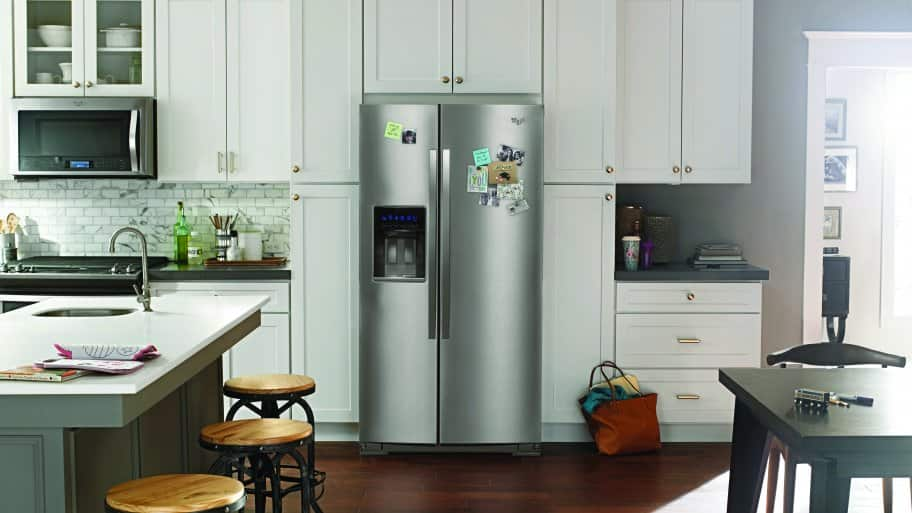
Tips for Shipping a Refrigerator When You Move


Consider these moving tips before you load up and move a refrigerator to your new home.

Shipping a refrigerator is not as common as it once was. Many people who move will purchase the refrigerator with the house, rather than bringing their old one.
But, sometimes, shipping your refrigerator is the better option or maybe the new house does not have a fridge. Before you can make the decision on whether or not you want to ship your fridge, you need to figure out the dimensions of the area where you plan to move it.
If you are able take the dimensions yourself, you should. If you're unable to do it yourself, ask the current resident to measure for you. Take measurements of both the location where you plan to put the refrigerator, as well as doorways and hallways. 
Making sure you are able to move your refrigerator into your new home before you start preparing for shipment is a very important step that should not be skipped. If the refrigerator doesn’t fit, you will need to make alternate plans.

Preparing your fridge for the move

Start by removing all items and packing the food separately from the refrigerator. It may be a good idea to try to use as much of the food as possible the week before it is time to move — the less perishable food to ship the better. 
After all of the food is removed, turn off and unplug the refrigerator. Next, make sure that the refrigerator is clean and disinfected. Remember, as soon as the refrigerator is off there is a higher chance of mold growing.
To keep the mold from growing, after the refrigerator is clean, make sure it is completely dry. And to help with the smell, place baking soda in both the refrigerator and the freezer, so it will absorb any odors. 
Note: The fridge should be turned off at least 24 hours prior to the move.
Once the refrigerator is clean and dry, decide whether or not you plan to remove or tape the shelves. Shelves and drawers will shift during shipment, which means they need to be demobilized before shipping.
If you can, it is safer to remove the shelves and drawers and wrap them in a separate box. And if they do not come out, make sure you tape them with clear tape.
Lastly, tape the doors to keep them from opening up on the moving truck or in transit. If you are shipping a refrigerator that is new or expensive and you are worried about dents or scratches, it is a good idea to wrap it with moving blankets.
Once the refrigerator has been wrapped, place a strap around both the moving blanket and refrigerator — this will keep both the doors shut along with prevent dents or scratches.


Moving companies, freight shipping, or DIY move?

There are multiple ways to ship a refrigerator — with a moving company (local or long distance), a freight company or you can do it yourself with the right-sized truck. 
Moving Company: With a professional mover, the process is simple. Call to schedule an appointment and they will pick it up. The only thing you will need to do it decide between an economy or "white glove" shipment.
With an economy shipment, you will need to box your refrigerator and bring it to the curb. For a white glove shipment, they will come inside, wrap your refrigerator and load it on the truck. Both of these types of shipments will require all of the preparations listed above.
Freight Shipping: This requires crating. Moving blankets can still be placed on the refrigerator to help protect it from scratches and dents. Freight shipping is a better option for business-to-business shipping and extra-large refrigerators. 
Do-it-Yourself: A DIY move requires a truck, dolly, straps and ramp. If you plan to move the refrigerator yourself, you will need to get the refrigerator into a truck without harming yourself or the refrigerator. Make sure your health is in good condition and that you are physically able to make a DIY move.
The last and very important step in shipping a refrigerator is waiting to plug it in. During transit, your refrigerator will most likely be put on its side and most definitely turned. In turning your refrigerator, the cooling may get moved and be in the wrong location.
Allowing your refrigerator to sit for a few hours (overnight if possible) before plugging it in is highly recommended.